

Black American Culture x Luxury Industry
Black culture fuels luxury, but why don't prominent Black-owned luxury brands survive? Explore the $1.8T buying power imbalance and the future of heirloom luxury.

Hey loved one…
Today’s article is not about politics. It is a study on the Luxury economic status based on the color of your skin since 1441.
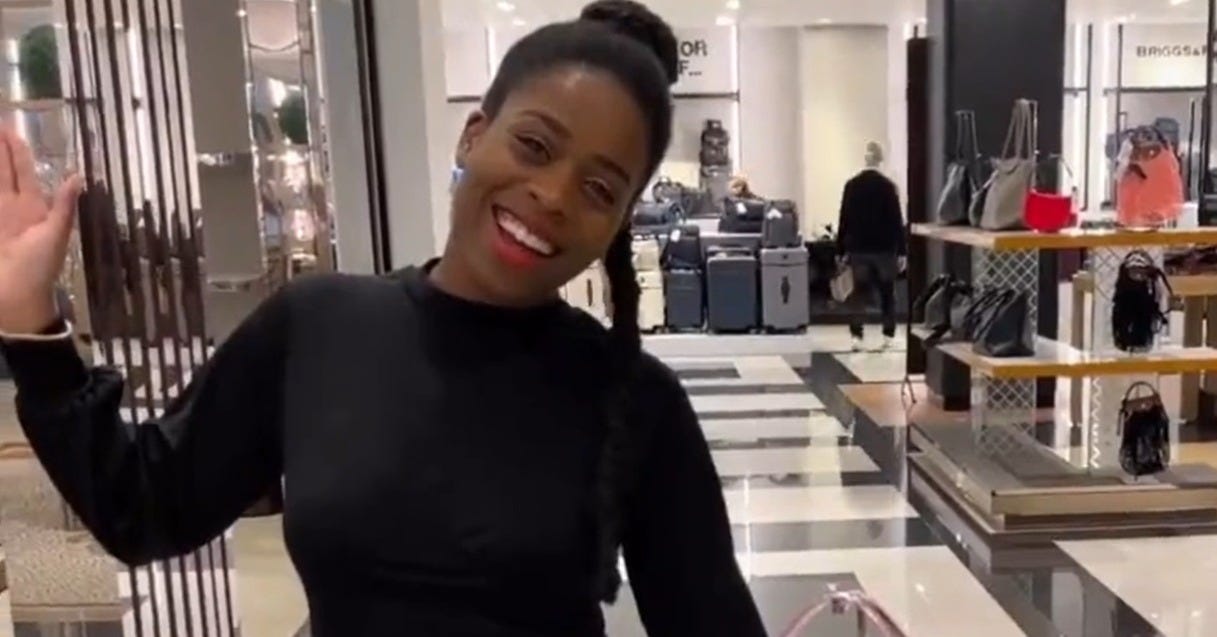
Here’s why…
The systematic trafficking and enslavement of Africans to Europe began in 1441 when European explorers kidnapped twelve Africans.
This was the beginning of the slave trade.
Now why am I bringing this up? As a luxury handbag artist, I recognize that systemic change starts from looking at imbalances in luxury market.
Today, Black-Owned Luxury does not exist in the same realm as the Luxury conglomerates.
Every time a Luxury Black-Owned Brand get to the heights- it didn’t make it.
Vigil Abloh’s Off-White. Sold.
Rihanna’s Fenty. Paused.
This article is a deep dive into why and what you can do today to make history.
Enjoy -💋LK
Black American Culture has an Un-Used Advantage on the Luxury Industry.
The Future of Luxury May Not Be European Anymore.
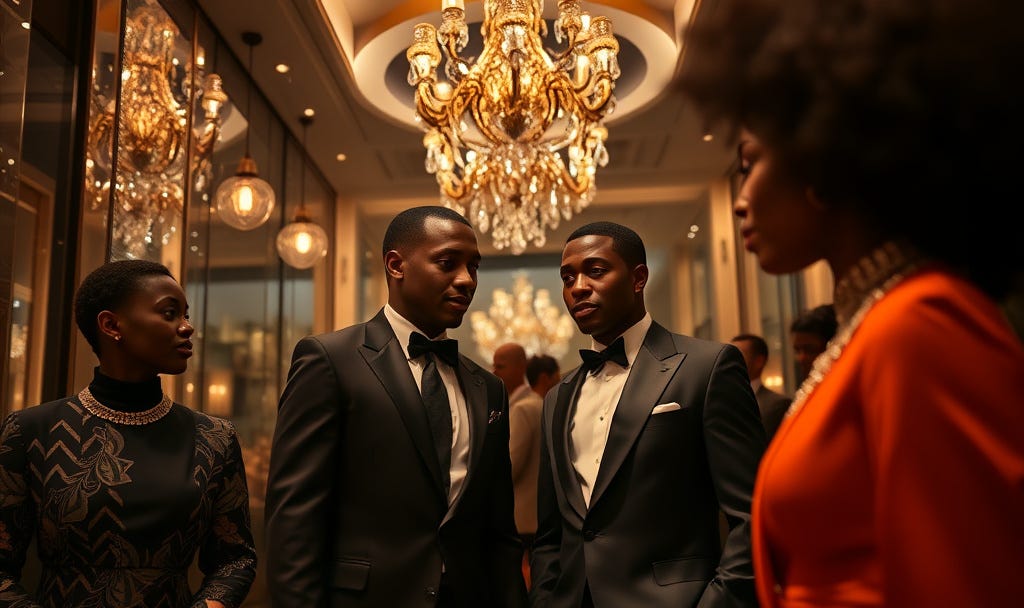
Entire sectors of luxury spending are being heavily fueled by a culturally influential group of discerning clientele at which the luxury industry has ignored as a leader in luxury spending.
I’m bring this up because, this is the real conversation
nobody in fashion wants to have.
Remember I mentioned in my youtube video here, that conglomerates due to their size, must appeal to the masses to stay large.
Because of this, they can no longer can rely on their 100 year old heritage alone.
For most conglomerate brands, it also now runs on the backs of black culture.
Black Culture.
Luxury fashion studies them.
Copies them.
Markets to them.
Profits from them.
But when it comes time to building a Black luxury handbag brand with the same price point as a Chanel, Hermès, or Louis Vuitton…
I come across a particular sentiment where
the room suddenly gets quiet.
At times I come across someone who gets very angry
that I dared to even try to price my made-to-order handbags that way.
Even when their conglomerate bag is not made to order, and instead produced in the thousands, stored away in a drawer or a shelf, still priced at or above a Liselle Kiss.
The idea of a Black Luxury, American Heirloom Handbag can exist at a level of a conglomerate can make a lady who loves luxury without meaning, spill her coffee.
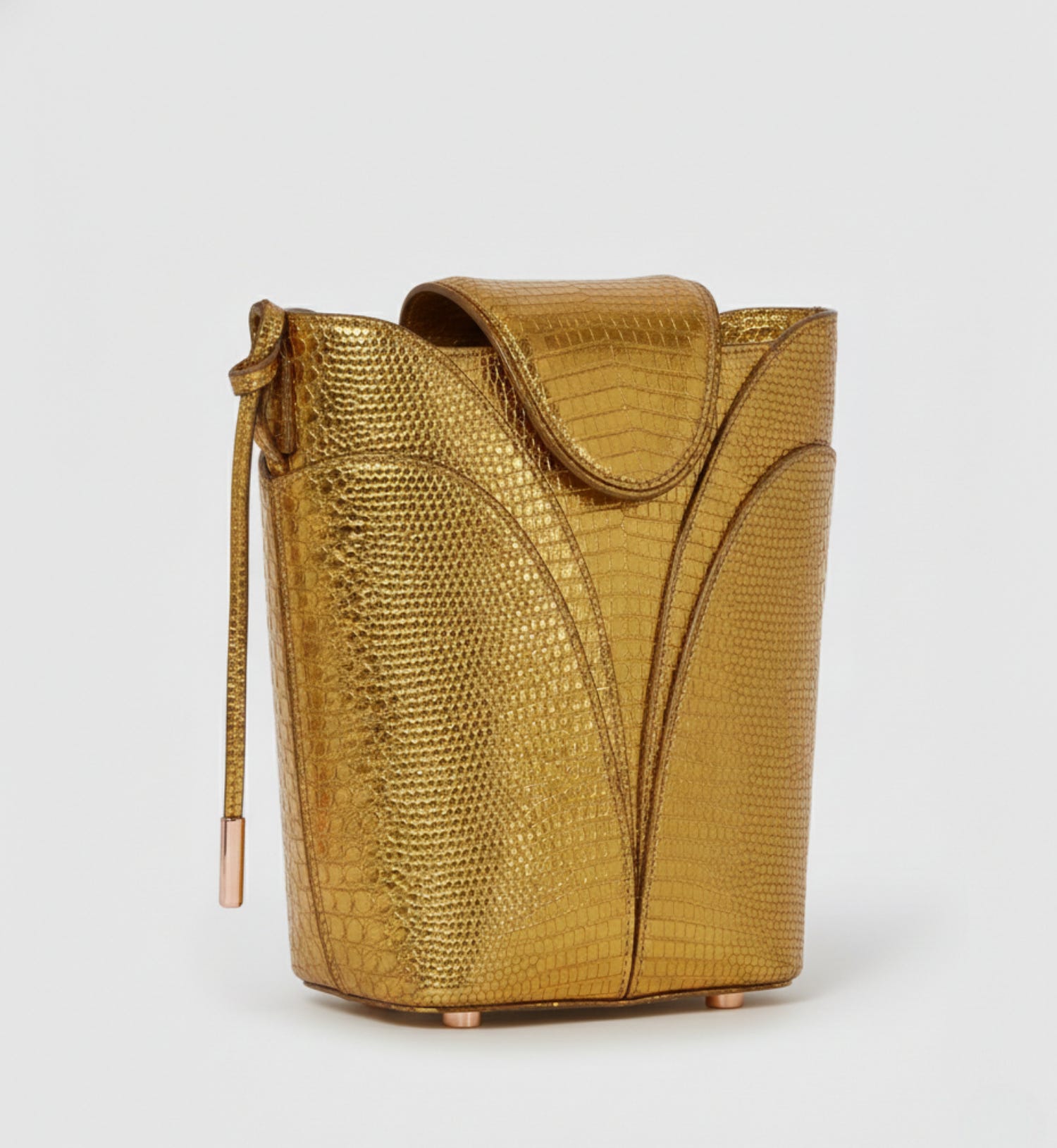
I have a theory that if Black Luxury can exist as confidently with European luxury brands it can topple a worldwide structure of racism created since the colonial era.
Article pause area…
Ready to make history with me?
Become a monthly Paid Subscriber at $30/month today as my official Designer Patron to help me continue to make Black Luxury History at Liselle Kiss®! Your monthly contribution can be used as store credit to get your own Liselle Kiss Heirloom Handbag anytime in the future, and you will receive a signed copy of my book, Thy Queendom Come, my personal mindset guide to help you make your dreams come true! Designer patrons like you help me keep my motivation and creativity necessary to stay on this American Designer journey without a venture capitalist or conglomerate collaboration. I’d rather collaborate with you in a Liselle Kiss Heirloom design experience to help you choose your own color and Liselle Kiss handbag art piece.
Thank you to my monthly designer patrons here at the Liselle Kiss & Fly Club!
Article continues…
The spending power that Black Americans have on not just in America , but the world is impossible to ignore.
You see, Black Americans currently hold over $1.8 trillion in buying power according to McKinsey Research.
By 2030, that number is projected to surpass $2 trillion.
That alone would make this “minority” one of the most financially powerful demographic groups in the world.
But it gets even more interesting. Something that a luxury conglomerate cannot ignore.
Black Americans are reportedly 31% more likely than the average American to spend $500 or more on a single handbag purchase.
Not sneakers.
Not fast fashion.
Luxury handbags.
The very category all fashion houses protect like crown jewels.
As I mentioned prior in my last article, Why High Luxury Women Are Leaving Big Brands for Designers and Artists, handbags are the nucleus of a fashion house. Think of it as the motherboard to a fashion brand.
And according to Wharton School research, Black and Hispanic patrons spend up to 30% more on visible luxury goods than others within similar income brackets.
Luxury watches.
Designer apparel.
Jewelry.
Handbags.
You get it.
Now let’s look at both sides for a second.
HOW DID WE GET HERE?
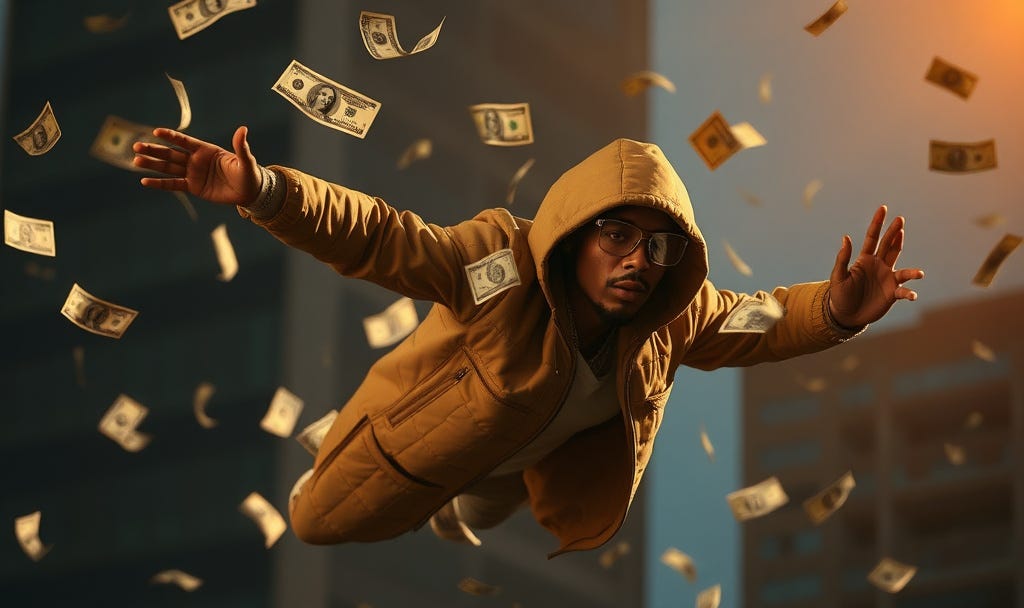
Due to historical suppression, rappers used the aspirational identity of luxury to associate with a luxury brand as a way of “making it.”
This narrative started in the late 80s and 90s at the time when Black economic growth and equality started to become less restrictive after a few generations since the civil rights movement in the 1960s.
And even though Black culture has become the single most powerful engine of cultural relevance on the planet from sports, beauty, and streetwear, mainstream luxury spent decades pretending Black culture sat outside the gates of luxury… until recently, possibly due to the rise and popularity of hip hop acknowledging certain brand names, which then eventually increased their sales.
The moment hip-hop became the dominant cultural export in America, luxury conglomerates adapted almost immediately to its effect.
The difference is that as Black Wealth increased, so did the conglomerates wealth.
Similar to how sharks can sense blood in the water, certain luxury conglomerates understood something before most people did:
Cultural influence had become more valuable than their 100 year old heritage alone. If heritage is not enough, then why not also profit from another’s culture?
That’s why certain luxury brands aggressively pursued proximity to Black cultural influence over the last two decades.
Suddenly every runway wanted rappers in the front row.
Every campaign wanted their cultural credibility. So as I write this luxury economic study, the one thing that we know now is that a popular modern-day culture can triumph heritage. e.
Every brand wanted the “cool factor” Black American Culture naturally created. If you don’t believe me, Nielsen research discovered something fascinating: Black American shopping behavior creates what analysts call a “halo effect.” Meaning when Black American shoppers embrace a brand, other broader mainstream shoppers from different demographics and even other countries from around the world follow.
Translation?
Black luxury clients do not simply follow culture.
They move it.
Luxury conglomerates understand this better than most people realize. Black luxury clients often adopt trends earlier, wear them more boldly, and attach emotional identity to fashion in a way that transforms products into movements.
Traditional luxury etiquette was historically built around restraint, exclusivity, inherited wealth, and rigid social codes.
Black American luxury culture evolved differently.
It was shaped through aspiration, visibility, reinvention, individuality, and self-expression.
That distinction became commercially powerful.
Because authenticity now outperforms perfection in old world luxury.
People are no longer only attracted to polished heritage narratives and old European status symbols. They are drawn toward confidence, emotional honesty, cultural relevance, and identity.
And the most discerning Black luxury clients have historically influenced all four categories at an outsized level.
That is why luxury conglomerates study Black culture so aggressively it consistently predicts where culture moves as it is real people’s thoughts and feelings from the streets.
That’s why Virgil Abloh mattered far beyond fashion.
Before Off-White majority stake was sold to a luxury conglomerate, it became a cultural obsession.
Virgil built one of the most influential fashion brands in the world without waiting for traditional luxury institutions to validate him first.
The culture validated him.
Luxury followed afterward.
Then came the inevitable acquisition.
In July 2021, luxury conglomerate LVMH acquired a 60% majority stake in Off-White trademark and brand, leaving founder Virgil Abloh with the remaining 40%. Just a few months later, on November 28, 2021, Virgil Abloh passed away
Because that’s often how modern luxury works now:
Black creativity can create what’s cool and on beat.
However, popular rappers and singers today still mention a conglomerate handbag in their music for free and unpaid, they say…
Even if its free an unpaid, the conglomerates are profiting most.
Not the musician and not the culture.
European luxury houses were not built overnight.
They were protected for decades.
The wealthy and aspirational buyers invested in them repeatedly until they became symbols of permanence itself.
But Black luxury brands are often expected to prove legitimacy in comparison, immediately. That expectation creates an impossible standard.
And yet the opportunity to change this— is enormous.
According to McKinsey, Black consumers are 2.3x more likely to shift spending toward Black-owned brands.
Think about how massive that number actually is.
Americans account for 30% of the world’s luxury handbag spending on bags priced over $1,000, and Black Americans contribute nearly 30% of all luxury spending.
So what would happen when a demographic with the 3rd strongest spending power in the world, with a cultural advantage, decides to willingly redirect spending at that scale?
The future of luxury may not belong exclusively to Paris, Milan, or old European heritage houses anymore.
It may belong to the Americans, whose new luxury spending habits can dismantle the final and arguably most important systemic system in the world - Old World Luxury.
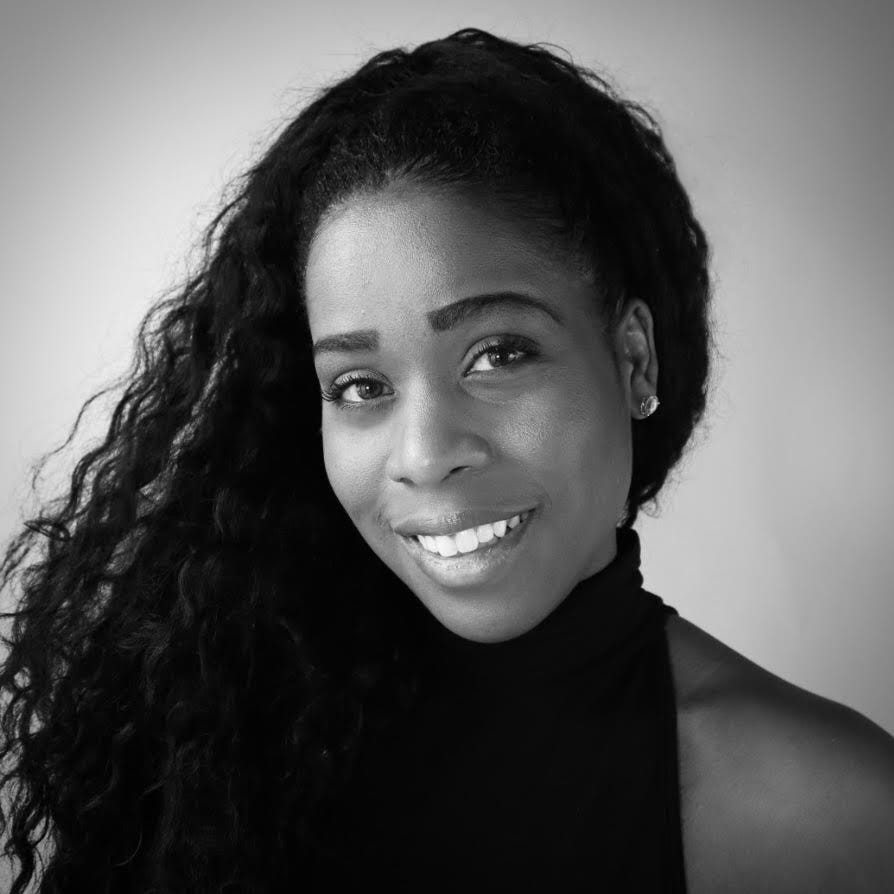
ABOUT THE AUTHOR
Liselle Kiss is an American handbag artist and founder of Liselle Kiss® American Heirloom Handbags™. Her work has been carried by Nordstrom, Bergdorf Goodman, Bloomingdale’s, and Shopbop. Today, she creates functional handbag art outside the pressure of the global fashion calendar.
Liselle works through a patron-backed, made-to-order model. Each bag is designed and crafted from start to finish in New York City. She and her design concierges work directly with guests and patrons who value her story and handbag artistry.
Liselle writes about luxury economics, artistry, and personal growth. She questions the conglomerate handbag system and invites readers to think differently about what they carry, why they carry it, and where their capital goes.
Explore the Liselle Kiss® at www.lisellekiss.com to create your
Liselle Kiss® American Heirloom Handbag™
Email liselle@lisellekiss.com for business & collaboration inquiries.
Become a paid subscriber for this article’s luxury economic research links:
References & Research
• McKinsey & Company — “The Economic State of Black America: What is and what could be”
https://www.mckinsey.com/featured-insights/sustainable-inclusive-growth/the-economic-state-of-black-america-what-is-and-what-could-be
• McKinsey & Company — “Black representation in the fashion industry”
https://www.mckinsey.com/industries/retail/our-insights/black-representation-in-the-fashion-industry
• NielsenIQ — Black consumer buying power and cultural influence reports
https://nielseniq.com/global/en/insights/analysis/2023/black-consumers-driving-cultural-and-economic-influence/
• Selig Center for Economic Growth — Multicultural Economy Reports
https://www.terry.uga.edu/selig/buying-power/
• Bain & Company Luxury Goods Worldwide Market Study
https://www.bain.com/insights/luxury-goods-worldwide-market-study/
• CultureBanx — Black buying power projected to surpass $2 trillion
https://culturebanx.com/culturebanx-report-black-buying-power-america/
• The Wharton School — Research on race and visible consumption spending
https://knowledge.wharton.upenn.edu/article/how-race-shapes-american-consumer-spending/
• Business of Fashion — Virgil Abloh and the transformation of luxury fashion
https://www.businessoffashion.com/articles/luxury/virgil-abloh-off-white-louis-vuitton-legacy/
• LVMH Official Press Release — Acquisition of Off-White stake
https://www.lvmh.com/news-documents/news/lvmh-acquires-majority-stake-in-off-white-llc/
• Vogue Business — Rihanna’s Fenty fashion house pause explained
https://www.voguebusiness.com/companies/what-happened-to-rihannas-fenty-fashion-brand
• Essence — Black buying power and luxury market influence
https://www.essence.com/news/money-career/black-buying-power/
• Statista — U.S. luxury goods market and consumer behavior data
https://www.statista.com/topics/1116/luxury-goods/